

BFF Trump
BFF Trump is a Facebook Messenger bot that enables people to have a 1-on-1 conversation with Trump to experience first hand his wealth of offensive and inflammatory comments. BFF Trump was built in partnership with Dexter and Betaworks, and launched in the months leading
BFF Trump
BFF Trump is a Facebook Messenger bot that enables people to have a 1-on-1 conversation with Trump to experience first hand his wealth of offensive and inflammatory comments. BFF Trump was built in partnership with Dexter and Betaworks, and launched in the months leading

Moving Through Glass
Moving Through Glass is the first-ever augmented reality application providing round-the-clock aid to people living with Parkinson’s. It leverages the heads-up display, bone-inductive audio, and verbal and gestural navigation of Google Glass to provide on-the-move access to proven dance-based tools.
Moving Through Glass
Moving Through Glass is the first-ever augmented reality application providing round-the-clock aid to people living with Parkinson’s. It leverages the heads-up display, bone-inductive audio, and verbal and gestural navigation of Google Glass to provide on-the-move access to proven dance-based tools.

Hamburger Hummus Web Series
:30 trailer above | full episode series When American millennials think about Israel, they don’t think about it as tech savvy, gay friendly, environmentally progressive, and having a wild nightlife. We set out to change all that with Hamburger Hummus, a hilarious
Hamburger Hummus Web Series
:30 trailer above | full episode series When American millennials think about Israel, they don’t think about it as tech savvy, gay friendly, environmentally progressive, and having a wild nightlife. We set out to change all that with Hamburger Hummus, a hilarious

Jet.com #JetSpree Live Event
Jet.com is an innovative new shopping website that prides itself on bringing its members big savings and joyful shopping experiences. To celebrate Jet’s enthusiastic new customers we created #JetSpree, an ambitious all day live video event. On September 9th, Jet.com shoppers
Jet.com #JetSpree Live Event
Jet.com is an innovative new shopping website that prides itself on bringing its members big savings and joyful shopping experiences. To celebrate Jet’s enthusiastic new customers we created #JetSpree, an ambitious all day live video event. On September 9th, Jet.com shoppers
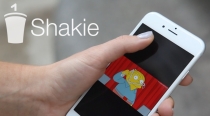
Shakie: The fastest, most awesome way to text GIFs
Shakie is the fastest, most awesome way to text GIFs. You simply shake to find a GIF, swipe up to send it, swipe down to search. It’s super simple…and crazy fun. Download Shakie for iPhone now!
Shakie: The fastest, most awesome way to text GIFs
Shakie is the fastest, most awesome way to text GIFs. You simply shake to find a GIF, swipe up to send it, swipe down to search. It’s super simple…and crazy fun. Download Shakie for iPhone now!

HBO GO: Awkward Family Viewing Campaign
HBO came to us with a challenge: how could they build buzz and engagement with a Millennial audience that is the least likely to have access to, or be able to afford HBO? The answer, to lean into HBO GO, their on-demand video
HBO GO: Awkward Family Viewing Campaign
HBO came to us with a challenge: how could they build buzz and engagement with a Millennial audience that is the least likely to have access to, or be able to afford HBO? The answer, to lean into HBO GO, their on-demand video

The Deco-Tron 3000
This season we were too busy for decorations, much less a holiday card. So we built an internet-connected robot catapult to take care of both. Meet the DECO-TRON 3000, the first ever tree decorating robot powered by our friends and
The Deco-Tron 3000
This season we were too busy for decorations, much less a holiday card. So we built an internet-connected robot catapult to take care of both. Meet the DECO-TRON 3000, the first ever tree decorating robot powered by our friends and

Smile Train: The Power of a Smile
SS+K launched a fully integrated marketing campaign and new logo + branding for Smile Train, the world’s largest cleft charity. Our “Power of a Smile” campaign tells the stories of Smile Train patients from their point-of-view and how their lives have
Smile Train: The Power of a Smile
SS+K launched a fully integrated marketing campaign and new logo + branding for Smile Train, the world’s largest cleft charity. Our “Power of a Smile” campaign tells the stories of Smile Train patients from their point-of-view and how their lives have
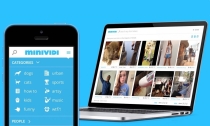
Minividi: Search Short Videos
Minividi is a new web application from SS+K Labs that enables you to easily browse and search short videos from Vine, Instagram and YouTube. Using minividi, you can search short video content of all types by keyword, hashtag or username, or browse our
Minividi: Search Short Videos
Minividi is a new web application from SS+K Labs that enables you to easily browse and search short videos from Vine, Instagram and YouTube. Using minividi, you can search short video content of all types by keyword, hashtag or username, or browse our

Wells Fargo CSR & LOB Social Strategy
Wells Fargo Debit Card Line of Business Social Media Strategy SS+K was hired to develop a comprehensive social media marketing strategy for Wells Fargo’s Debit Card Line Of Business. This effort began with exhaustive stakeholder interviews, included audit readouts, and resulted
Wells Fargo CSR & LOB Social Strategy
Wells Fargo Debit Card Line of Business Social Media Strategy SS+K was hired to develop a comprehensive social media marketing strategy for Wells Fargo’s Debit Card Line Of Business. This effort began with exhaustive stakeholder interviews, included audit readouts, and resulted

VineViewer: The First Vine Video Search Web App
VineViewer is a web utility that allows users search the growing library of vines based on the video’s content tags. It was initially a rapid prototype developed by SS+K and released to the public within a week of Vine’s launch.
VineViewer: The First Vine Video Search Web App
VineViewer is a web utility that allows users search the growing library of vines based on the video’s content tags. It was initially a rapid prototype developed by SS+K and released to the public within a week of Vine’s launch.

Obama 2012: For All Campaign
SS+K was tapped as President Obama’s youth agency for his 2012 re-election bid (a follow-up to SS+K’s 2008 work). The campaign we developed, For All, appealed to young Americans through the issues they care about, the values they hold dear,
Obama 2012: For All Campaign
SS+K was tapped as President Obama’s youth agency for his 2012 re-election bid (a follow-up to SS+K’s 2008 work). The campaign we developed, For All, appealed to young Americans through the issues they care about, the values they hold dear,
 Kevin Skobac
You must be logged in to post a comment.